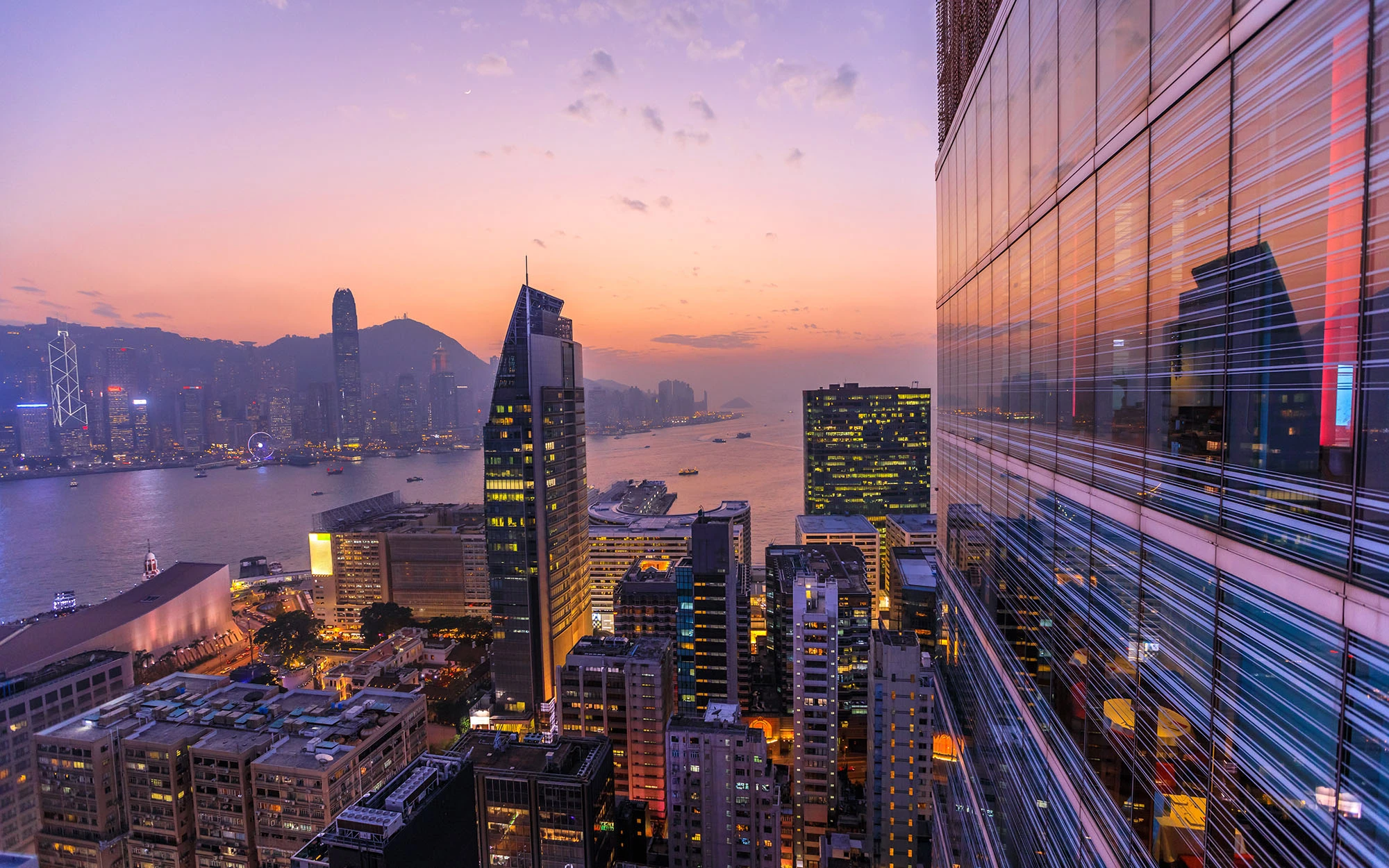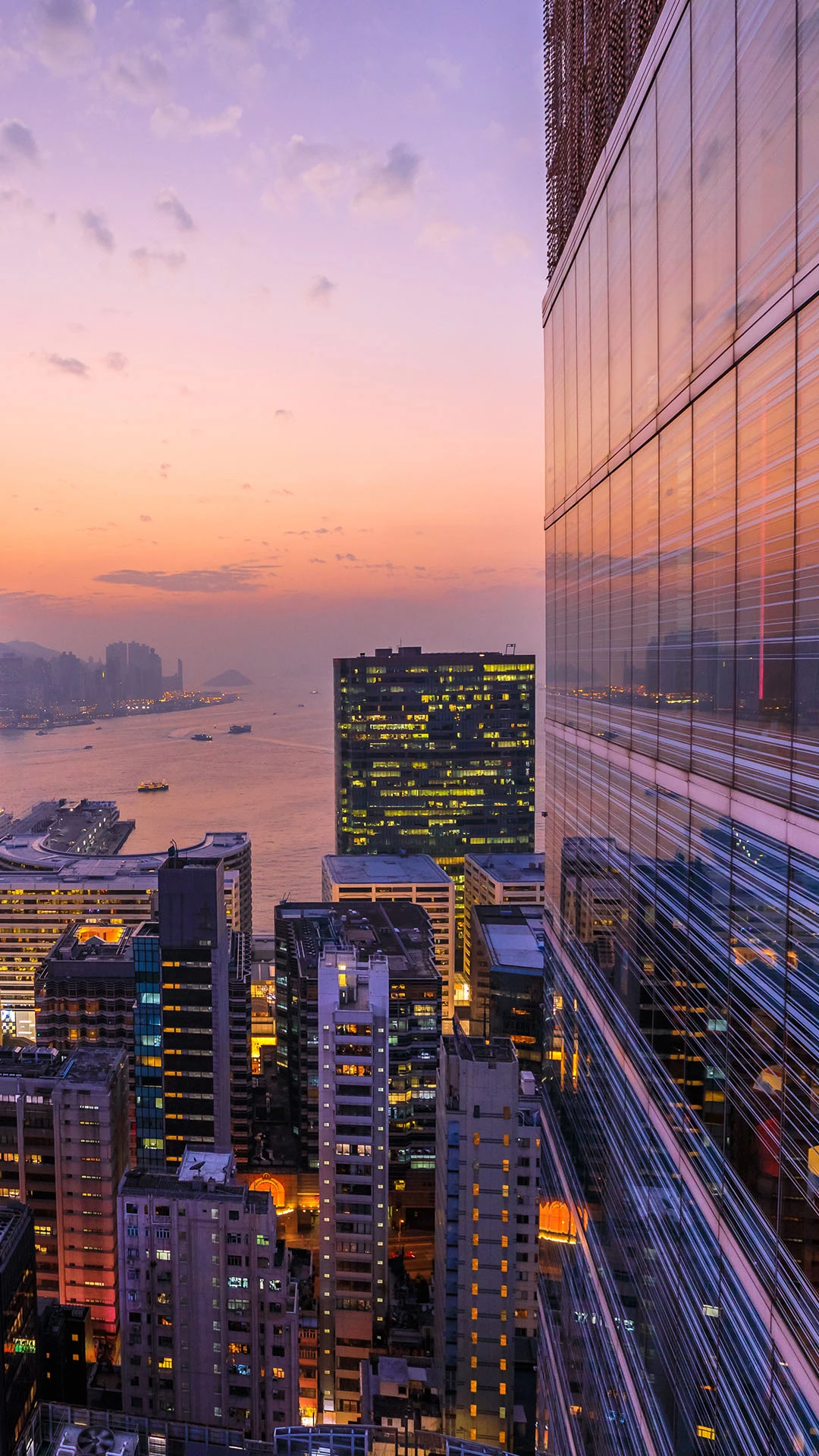
The city’s plans for Tsim Bei Tsui and Pak Nai could boost its sustainability credentials, but a dedicated oversight structure is needed
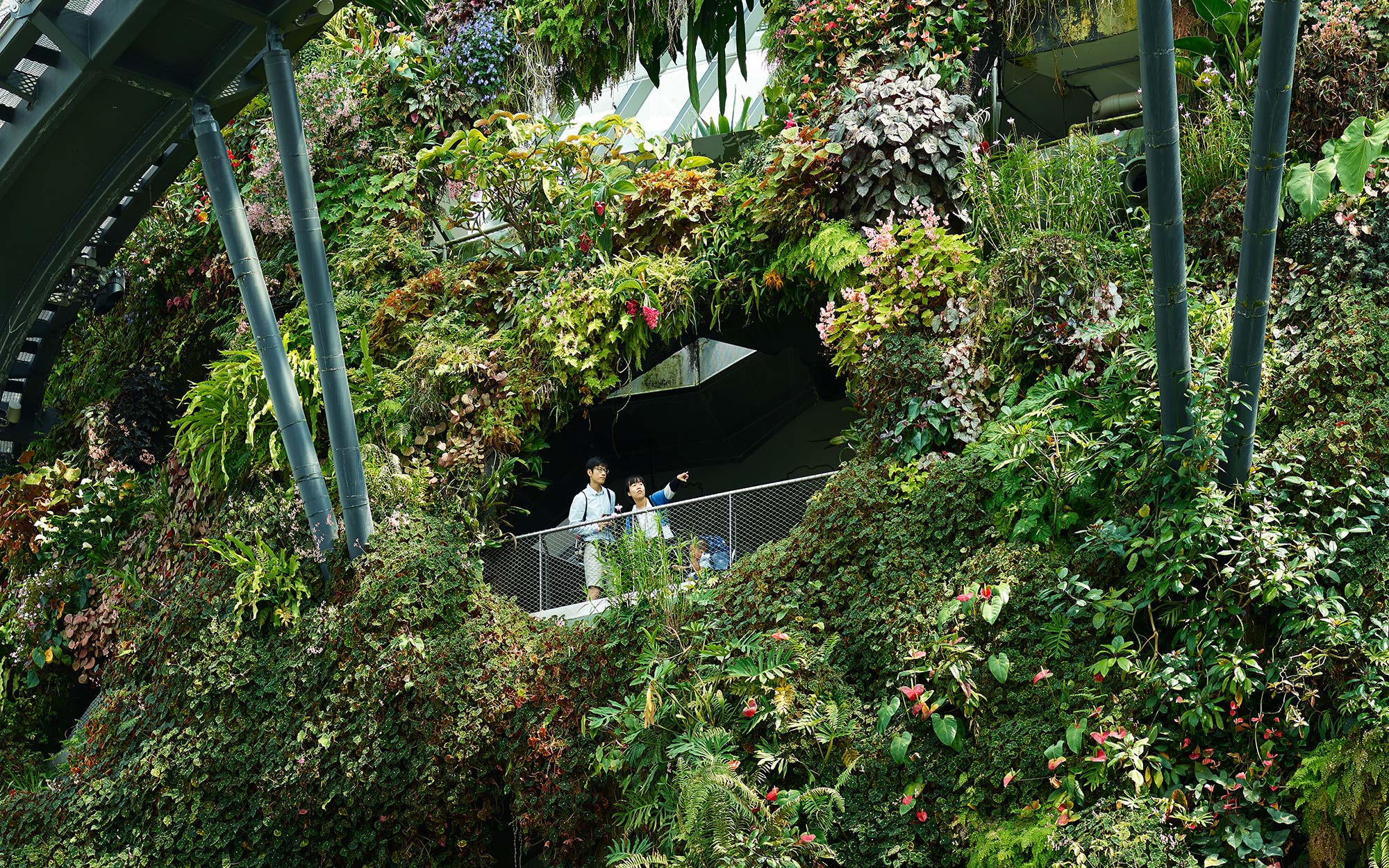
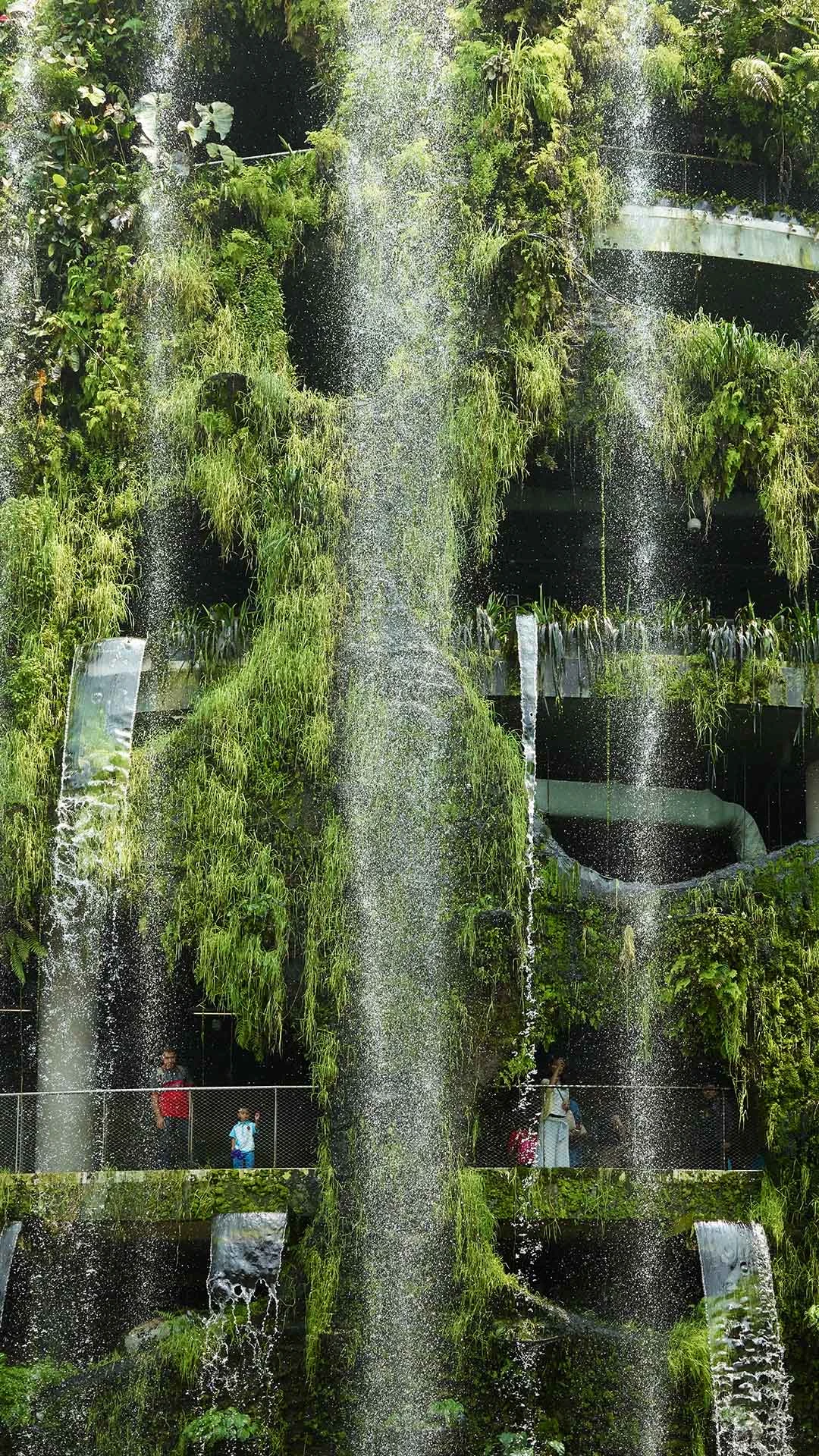
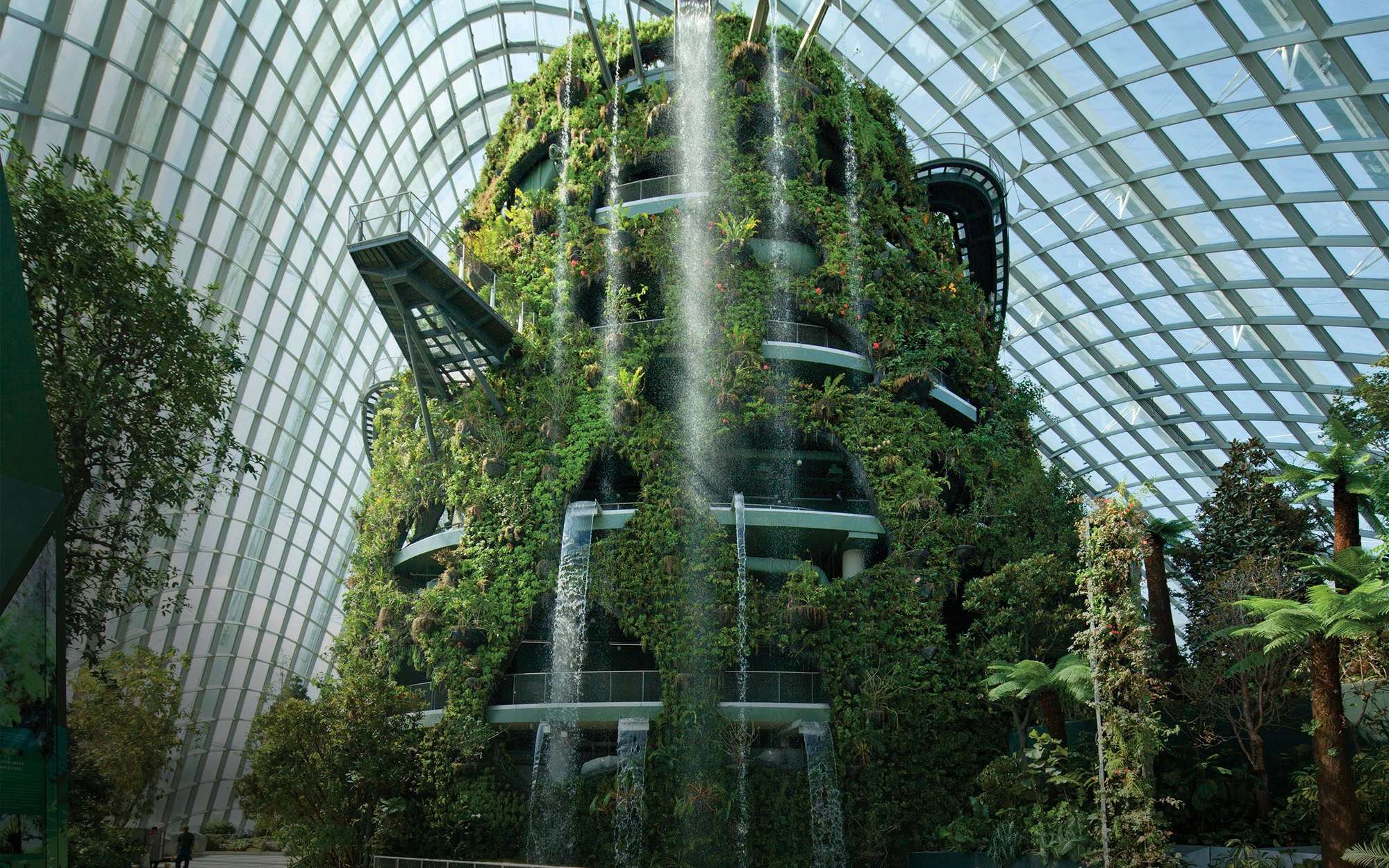
Gardens by the Bay, Singapore.
Last July, the Hong Kong Government's Expression of Interest process for eco-tourism development at Tsim Bei Tsui and Pak Nai closed, marking a crucial milestone in the territory's push to become a regional leader in sustainable tourism.
These two sites, spanning 120 hectares of ecologically sensitive coastal wetlands along Deep Bay, represent far more than just another development opportunity; they're a test case for how Hong Kong can balance economic growth with environmental stewardship.
Over the past two decades, I've been fortunate to work on two extraordinary eco-tourism projects where environmental regeneration has been placed at the forefront of design and planning. From the cooled conservatories at Singapore's Gardens by the Bay, where visitors now marvel at thriving biodiversity alongside stunning architecture, to the ongoing master planning for the 600 hectares of Sentosa Island, these projects illustrate how thoughtful governance can turn sustainability into a compelling visitor experience.
Learning from Success
The stakes couldn’t be higher. Tsim Bei Tsui and Pak Nai sit within one of Hong Kong’s most important ecological zones, adjacent to the Mai Po Inner Deep Bay Ramsar Site, which supports over 400 bird species and anywhere between 50,000 and 80,000 waterbirds during winter migration. The mangroves and mudflats here aren’t just scenery; they are critical habitats for globally threatened species such as the Black-faced Spoonbill and the Saunders’s Gull.
We’re not talking about building in a void. Recent monitoring has already identified 37 cases of land degradation across the broader Northern Metropolis eco-tourism areas, including unauthorised campsites, landfilling and brownfield operations. Without proper oversight, even well-intentioned development risks accelerating this decline.
While we hesitate to reference our fiercest rivals, Gardens by the Bay – which has welcomed more than 100 million tourists since it opened in 2012 – provides essential learnings, not least of which is that eco-tourism projects succeed when they solve real environmental problems. The conservatories are not just architectural showpieces; they are carbon-positive structures that demonstrate how tourism infrastructure can actively contribute to sustainability goals. The project's success comes from integrating environmental function into every design decision, not treating conservation as an afterthought.
At Sentosa, this idea is taken even further. The commitment to carbon neutrality by 2030 while maintaining its position as a premier tourism destination shows that environmental leadership and commercial success are not mutually exclusive. But achieving these two outcomes requires a different approach to governance – one that puts ecological outcomes at the centre of decision-making rather than as an afterthought.
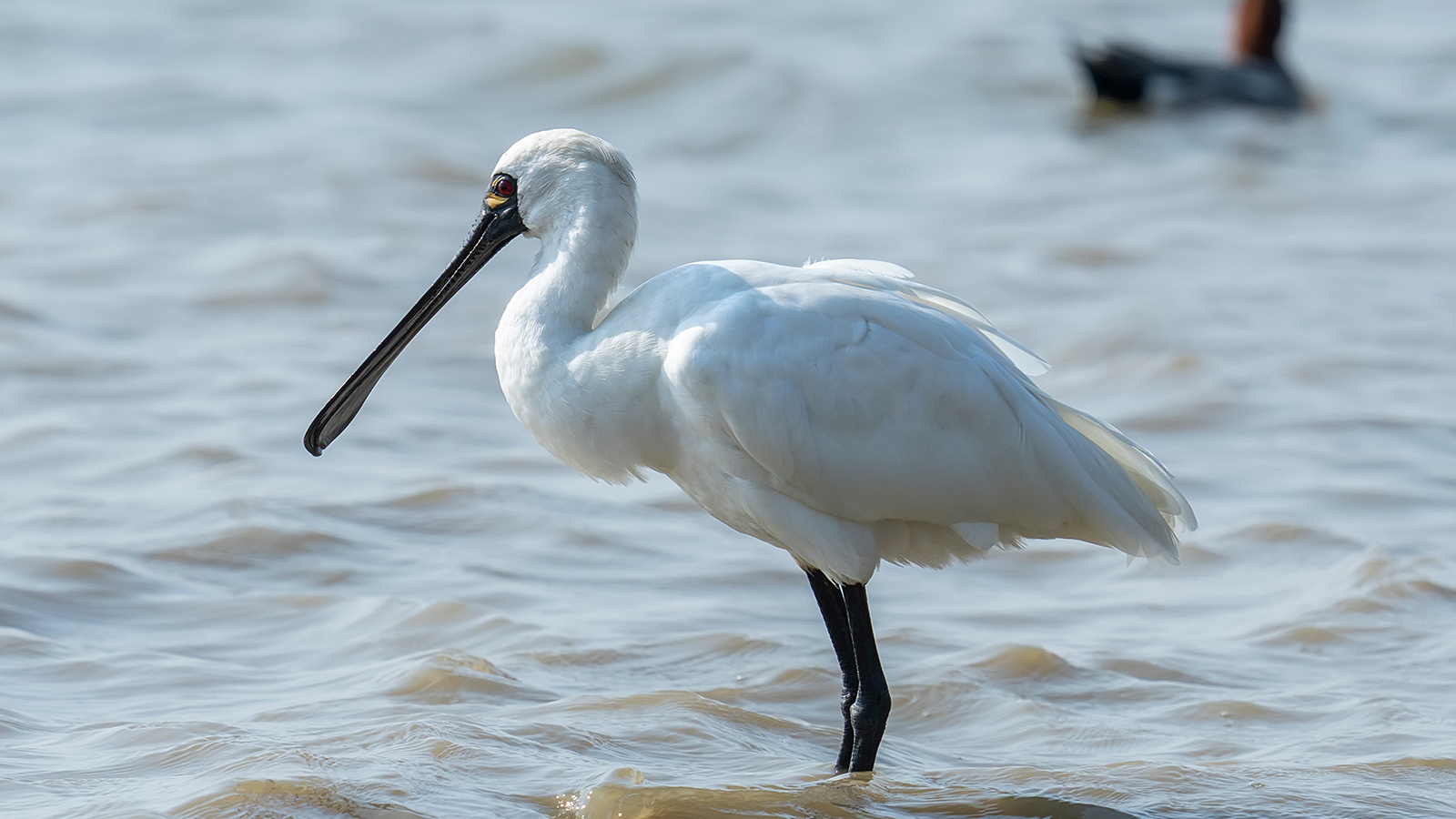
Black-faced spoonbill.
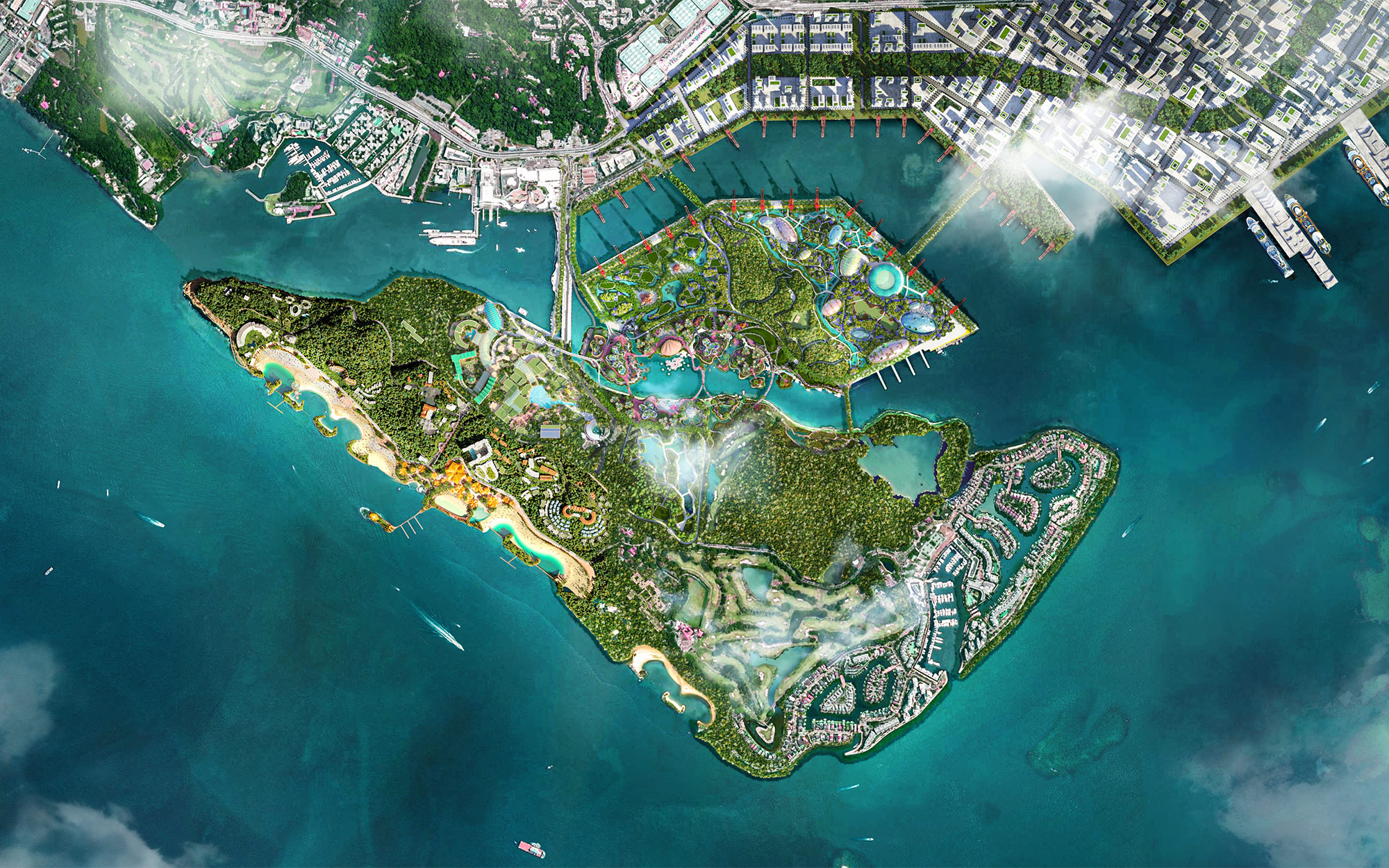
Sentosa Island, Singapore.
The Governance Gap
Hong Kong's current eco-tourism framework spreads responsibility across multiple government departments, each with their own priorities and timelines: the Planning Department oversees land use; the Agriculture, Fisheries and Conservation Department (AFCD) manages ecological protection; the Development Bureau drives commercial priorities, while the Environmental Protection Department (EPD) and Tourism Commission each have partial stakes in sustainability and visitor management. This fragmented approach risks sidelining environmental considerations through bureaucratic inertia or competing agendas.
For Tsim Bei Tsui and Pak Nai to succeed, we need a dedicated governance body. That could be a high-level eco-tourism task force with cross-departmental authority, or a public-private corporation structured similarly to Singapore's Sentosa Development Board. An entity in this mould could balance conservation and tourism imperatives. Critically, it must have the power to enforce decisions - not just advise - ensuring that 'eco' always comes before 'tourism.’
Three Pillars of Success
Based on international best practice and hard-won experience, successful eco-tourism governance rests on three pillars:
1) Ecological Sensitivity: Development decisions must be guided by carrying capacity assessments and long-term environmental monitoring, not just compliance with minimum standards. The governance body should have the power to halt or modify projects that threaten ecological integrity, regardless of their commercial potential.
2) Cultural Storytelling: These sites need to tell Hong Kong's environmental story in ways that resonate with both local communities and international visitors. This means going beyond generic nature appreciation to showcase the territory's unique ecological heritage and conservation achievements, building on successes like the UNESCO Global Geopark.
3) Stakeholder Collaboration: Effective governance requires bringing together developers, conservation groups, local communities and government agencies around shared sustainability goals. This collaborative approach has been essential to the success of projects like the Wetland Conservation Parks System now being developed in the Deep Bay area.
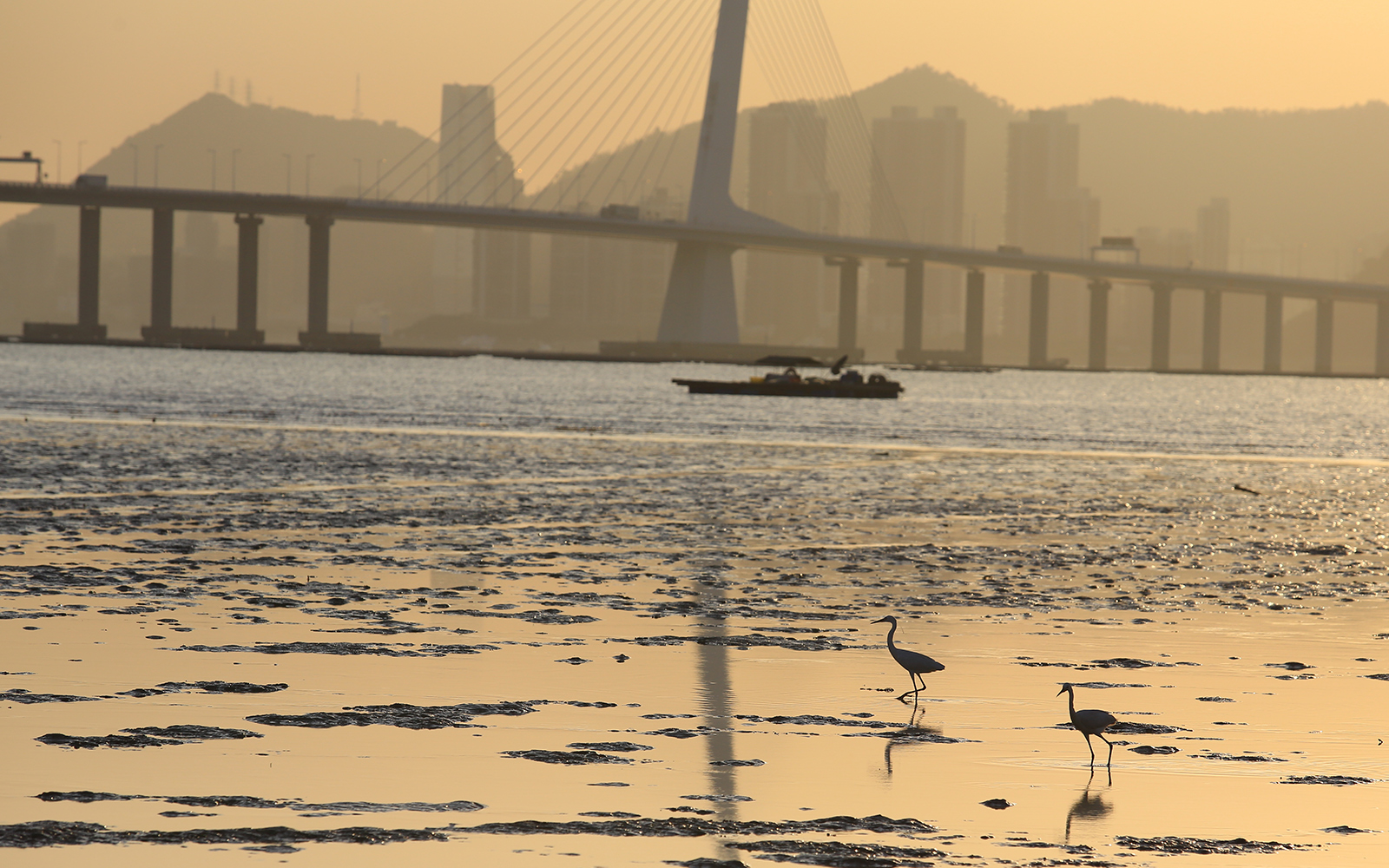
Ha Pak Nai wetland, Hong Kong.
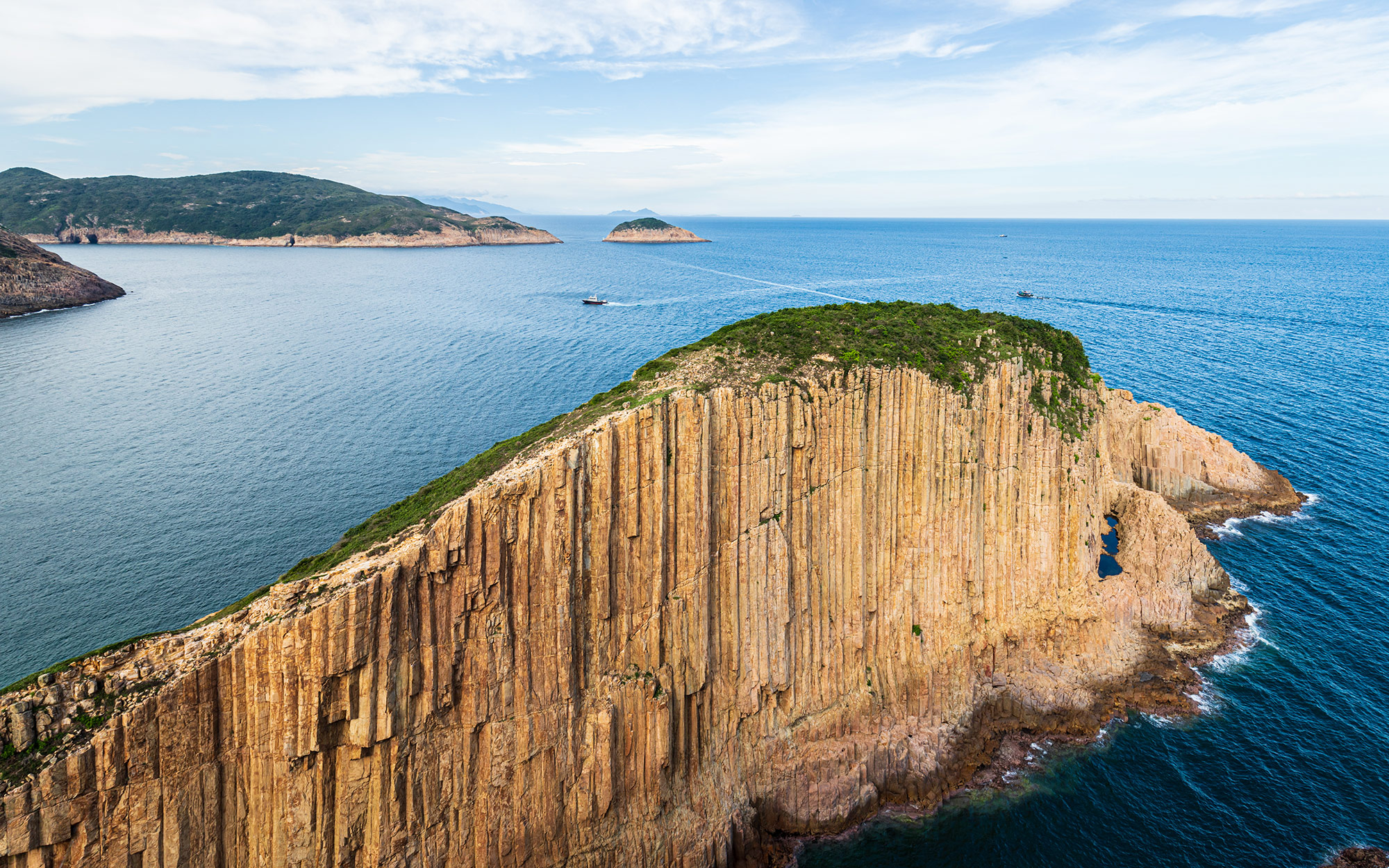
Po Pin Chau UNESCO Global Geopark, Hong Kong.
The Economic Imperative
Critics will argue that strong environmental governance constrains commercial viability; the evidence suggests otherwise. Hong Kong's UNESCO Global Geopark, with its strict conservation requirements, has become a significant tourism asset precisely because of its environmental integrity. Sentosa's sustainability initiatives attract both premium operators and visitors who value responsible tourism experiences.
The global tourism market is shifting rapidly towards sustainability-focused experiences. Destinations that establish genuine environmental credentials now will be better positioned to capture this growing market than those that pursue short-term development gains at the expense of long-term ecological health.
A Regional Model
Hong Kong has the opportunity to establish a new benchmark for eco-tourism governance in Asia. The territory's compact size, sophisticated regulatory framework and proximity to major markets make it an ideal testing ground for innovative approaches to sustainable development.
Success at Tsim Bei Tsui and Pak Nai could position Hong Kong as the regional hub for responsible eco-tourism expertise, attracting international operators and consultants who want to work with proven conservation leaders. This represents a significant economic opportunity beyond direct tourism benefits.
Moving Forward
The Expression of Interest process will have generated substantial market interest, demonstrating what many of us already recognise – Hong Kong possesses both the natural assets and commercial potential to become Asia's premier eco-tourism destination.
Now, though, comes the crucial test: will the Government have the courage to establish the governance structures needed to deliver genuine sustainability outcomes?
The decisions that lie ahead will shape Hong Kong's environmental legacy for generations. Implementing a dedicated governance body will be a giant leap towards determining whether the Northern Metropolis becomes a model for sustainable development. The alternative is that these projects become another cautionary tale about the costs of putting short-term growth ahead of long-term environmental stewardship. The tools for success exist; the question is whether they are deployed.
This post originally appeared in the South China Morning Times as an opinion article.